

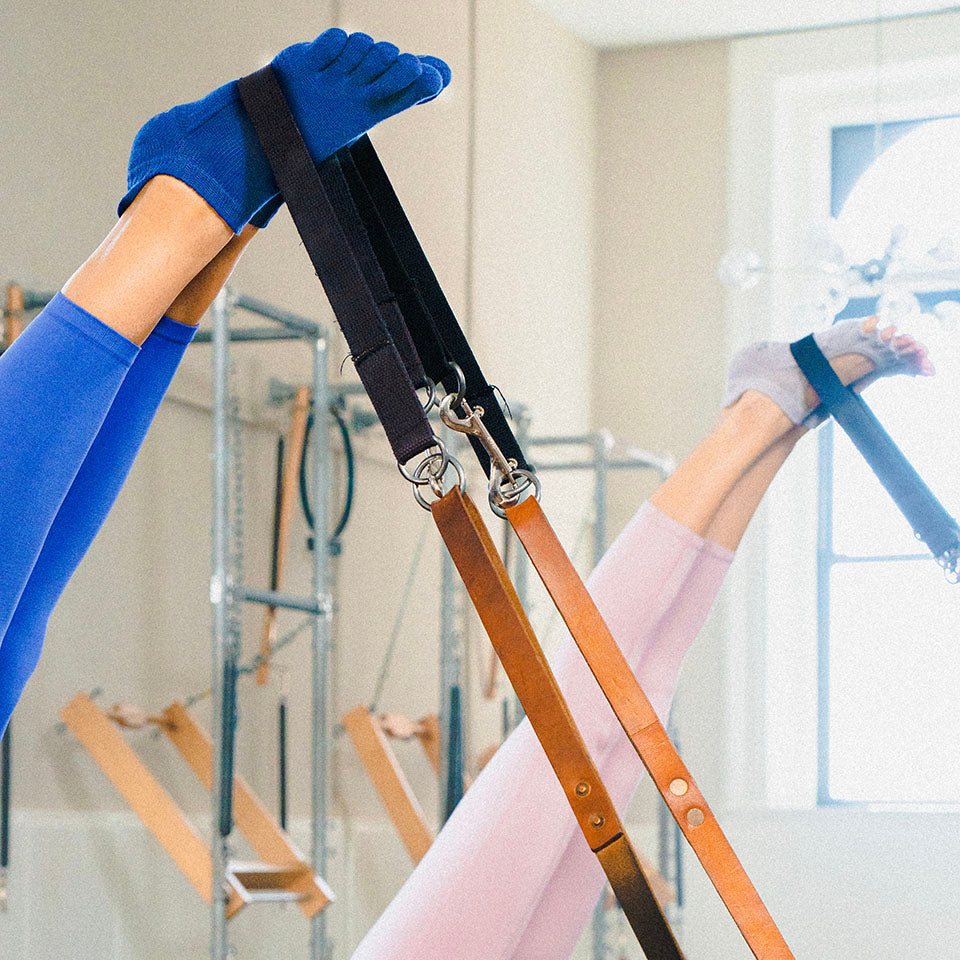
Choosing the right apparel for Pilates is crucial for maximizing your workout's effectiveness. Did you know that taking care of your feet can not only enhance your exercise benefits but also lead to a higher quality workout?
Wearing socks during Pilates offers many benefits, such as improving balance and preventing injuries. Among the various types of socks, five-finger socks have gained particular attention in recent years. Their design, which encloses each toe individually, allows for free toe movement and enables a natural range of motion during exercise.
This article will provide you with information to enrich your Pilates life, from how to choose the best socks for Pilates to the increasingly popular five-finger socks.
What is Pilates?
 Pilates is an exercise method developed in Germany in 1883. It originated when its founder, Joseph Pilates, assisted in the rehabilitation of injured soldiers.
Because it has its roots in rehabilitation, the basic movements are performed slowly and carefully, making it accessible even for those who are not naturally athletic. It is also suitable for the elderly, allowing them to effectively train their core and posture safely. Practicing Pilates can correct the alignment of the spine and pelvis, leading to improvements in posture (such as slouching and swayback) and increased muscle strength. Furthermore, by focusing on Pilates-specific breathing techniques and executing movements slowly and precisely, the sympathetic nervous system is activated, offering mental relief and relaxation.
Why Wear Special Socks for Pilates?
While practicing Pilates barefoot has its appeal, using specialized Pilates socks can create a safer and more comfortable exercise environment. Socks that offer hygiene, posture support, and enhanced exercise efficiency are essential items for anyone looking to enjoy Pilates more.
In this chapter, we will discuss the reasons why you should wear specialized socks for Pilates.
Reason 1: Peace of Mind Regarding Hygiene
In Pilates studios, mats, machines, and specialized equipment are often shared by many people. Practicing barefoot increases contact with other users' sweat and bacteria. To avoid direct contact and enjoy exercise in a more hygienic environment with peace of mind, wearing specialized Pilates socks is recommended.
Pilates socks efficiently absorb sweat during exercise, allowing you to maintain a comfortable state throughout your workout. In colder seasons, keeping your feet warm can prevent muscle tension and help maintain performance.
Wearing Pilates socks is also an important consideration for maintaining a clean studio environment that everyone can enjoy.
Reason 2: Reduced Risk of Injury
In Pilates, maintaining balance and correct posture is crucial. Wearing specialized Pilates socks can prevent unexpected injuries and allow you to enjoy your workout more safely. Socks with anti-slip features help stabilize your footing on mats and machines, preventing slips.
They also prevent friction with the floor, which helps prevent foot abrasions and other injuries. When concerns about injury are removed, concentration on movements increases, leading to more effective training.
Reason 3: Improved Balance and Stability
To enhance the quality of Pilates movements, it's essential to perform them with a stable posture. Five-toe socks allow each toe to move independently, enabling you to enjoy Pilates with greater freedom of movement for your toes. This allows you to spread your toes, gripping the ground firmly and performing movements with greater awareness of your core. Choosing Pilates socks with non-slip grips on the soles makes it easier to apply force, stabilizes your footing, and helps achieve more precise movements.
Benefits of Wearing Socks for Pilates

In Pilates, where delicate balance adjustments are required, the free movement of the toes is crucial. When your toes can move properly, you can grip firmly with your entire foot during poses like planks and side planks. Also, during lower body movements such as bridges and leg circles, you can grasp the ground with your entire sole, allowing for more precise exercise form. Wearing Pilates socks facilitates smooth continuous movements like roll-ups and roll-downs, which is effective for strengthening inner core muscles.
In this chapter, we will introduce the benefits of Pilates socks from various perspectives.
Benefit 1: Improved Movement Quality
Using Pilates socks with non-slip grips enhances stability on mats and machines, making it easier to maintain correct form. With the anti-slip feature, you can concentrate on the muscles you want to target without expending unnecessary effort on your footing, creating an environment where you can deeply focus on the exercise itself.
Benefit 2: Warm and Comfortable Feel
In cold seasons or air-conditioned studios, feet can often get cold without you even realizing it. Even in studios with comfortable temperature control, prolonged exercise might still lead to cold feet. In such cases, wearing five-toe socks made with wool-blend materials can help keep your feet warm, allowing you to exercise comfortably.
Benefit 3: Fatigue Reduction Effect
The fatigue-reducing effect of specialized Pilates socks depends on the features incorporated into each sock.
Anti-Slip
Significantly enhances foot stability on mats and machines. Stable footing allows you to concentrate on your exercise without expending unnecessary energy, thereby reducing overall fatigue.
Arch Support
If there's a support feature that addresses the arch of the foot, it can properly support the inner and outer arches. This allows the foot muscles to be used efficiently, reducing excessive strain. This can alleviate not only foot pain but also stress on the knees and lower back, helping to reduce overall body fatigue.
Breathable Material and Cushioning
Cushioning that softens impact on the soles allows you to continue practicing comfortably even during long workouts. Additionally, choosing five-toe socks made from breathable material can reduce stuffiness during exercise. Sweaty feet can contribute to increased fatigue, so it's important to keep your feet comfortable during your workout.
Types of Pilates Socks
Pilates socks offer a wide range of choices, not only in functionality but also in design and shape. Each type has distinct characteristics, and by choosing one that suits your purpose and practice style, you can enjoy a more comfortable and effective workout. Whether they allow free foot movement or prioritize warmth, find the type that fits your needs and enjoy Pilates.
In this chapter, we'll provide tips to help you find the perfect pair of socks.
Five-Toe Socks

Five-toe socks are characterized by a design that separates and envelops each toe individually. By enclosing each toe separately, they bring out the foot's natural function and support natural movements without hindering the movement of each toe.
For Pilates use, they are effective in improving balance and stability during exercise. Many items feature grip material on the sole, which enhances stability on the mat and allows for more precise movements. Furthermore, increased toe sensitivity improves body awareness during exercise. They are effective in various movements such as balance exercises, core training, and stretching exercises. They also properly absorb sweat and prevent foot stuffiness, maintaining a comfortable state even during long workouts.
Toeless Type
The toeless type is characterized by its unique design, where the toes are open. Some types also have the top of the foot open, with the biggest advantage being the ability to feel your toes directly.
During exercise, the toes can move freely, making it easier to maintain balance and enabling more precise movements. You can consciously train by directly feeling the contact surface with the floor or mat. Many items include an anti-slip feature, ensuring stability on the mat. Due to their excellent breathability, they are less likely to get stuffy even when you sweat, making them comfortable for use in warmer seasons. Their high design appeal also makes them popular among those who prioritize fashion.
Normal Type
Normal-type Pilates socks feature a simple design that encases the entire foot, similar to everyday socks. Their familiar shape makes them easy to wear without discomfort, even for beginners or those with sensitive toes.
Functionally, many items feature anti-slip grips, which enhance stability during exercise. They are often made from materials with excellent breathability and sweat absorption, allowing for comfortable wear during long training sessions. The wide variety of designs is also appealing, allowing you to choose according to your preference. From simple to unique, many variations are available.
Their versatility, usable for both Pilates and everyday wear, combined with their relatively affordable price range, are reasons why they are chosen by many.
Leg Warmer Type

Leg warmer type socks are designed to cover from the ankle to the calf, focusing on keeping the foot area warm. One popular feature is that they can be combined with ankle-type Pilates socks to create a favorite Pilates outfit. Their high thermal insulation makes them suitable for winter or for individuals who tend to get cold easily. They keep your feet warm during training and also provide support around the ankles, which can help prevent injuries.
How to Choose Pilates Socks
To enjoy Pilates comfortably and effectively, choosing the right socks for you is important. By focusing not only on practical aspects like fit and grip but also on finer details like design and material, you can make your experience more fulfilling.
In this chapter, we will detail the key points for choosing the perfect Pilates socks. Find a pair that matches your style and preferences and incorporate them into your fitness routine.
Fit
When choosing Pilates socks, one of the most crucial factors is the fit. An appropriate fit enhances stability during exercise, enabling more effective movements.
If the size is too large, the socks will sag around your feet, making movement difficult. If they are too small, the constriction will be too strong, potentially causing foot pain. Especially for five-toe socks, a snug fit right to the fingertips is essential, so careful size selection is necessary. The key is to choose socks that feel snug enough to firmly hug your feet, yet have enough room to allow free movement.
Socks with a proper fit ensure smooth power transfer and contribute to improved performance. They also prevent foot slippage, reducing the risk of falls and injuries.
Grip Strength
The anti-slip grip on the sole of Pilates socks is an indispensable feature for exercising in a stable foot environment. Choosing socks with appropriate anti-slip properties enhances stability on mats and machines, allowing for more precise movements.
Using socks with high grip strength eliminates the need to exert excessive force, enabling more natural movements. It also reduces the risk of slips and injuries on slippery floor surfaces.
The key to choosing is to select socks with rubber or silicone anti-slip grips on the bottom. It's important to find socks with the right amount of grip strength for your exercise style and environment.
Material
Pilates is a workout where the soles of your feet can sweat easily. To minimize discomfort, choosing a material that effectively absorbs sweat and dries quickly is crucial. Socks made from breathable materials like nylon, polyester, or cotton prevent discomfort from foot moisture, allowing for a comfortable workout.
Furthermore, the combination of materials used is an important point to note. By blending natural fibers such as cotton with synthetic fibers like nylon and polyester, a balance between absorbency and quick-drying properties can be achieved, leading to a more comfortable fit. For those who get cold easily, consider wool blends or Dralon cotton; for sensitive skin, organic cotton. Be mindful of choosing materials that suit your body type.
Durability
Pilates socks are subjected to considerable stress, as they are washed after every training session. Particularly, the grip material on the sole is prone to degradation from friction and washing, making it important to choose a durable material. If the grip strength diminishes, it can affect stability during exercise.
To choose durable socks, opt for those with high-quality stitching. Socks made with seamless construction or high-quality materials tend to resist wear from washing and maintain their quality over time. Additionally, ergonomically designed socks that conform to the foot's shape are less likely to lose their shape even after repeated wear and washing.
It's also important to choose products within an appropriate price range, considering their lifespan. While the initial investment in high-quality socks might seem high, they are more cost-effective in the long run because they don't need frequent replacement. To achieve a comfortable Pilates life, it's essential to select items that can maintain comfort and performance for a long time.
Breathability and Warmth
Sweaty or cold feet during exercise can significantly impact performance. Sweaty feet cause discomfort, and overly cold feet can lead to muscle tension, restricting movement. Therefore, choosing appropriate materials based on the season and environment is crucial.
In summer, choosing thin socks made of highly breathable nylon or polyester can efficiently release heat and moisture from your feet. In contrast, for winter or air-conditioned rooms, selecting materials with high warmth, such as wool blends, helps maintain a comfortable body temperature.
The key to material selection is to choose materials that offer a balance of breathability and warmth, such as cotton blends or special synthetic fibers. Five-toe socks, with their greater freedom for the toes, can provide adequate warmth while ensuring breathability. Choose the optimal material and sock type according to your body type and training environment.
Design
Wearing your favorite sportswear can boost your motivation to exercise. With Pilates socks, choosing a design you love can make your workout more enjoyable.
When selecting a design, consider coordinating it with your existing workout attire. Also, choose the right sock length for you, whether short or long. By varying colors, patterns, and materials according to the season, you can continue to use them without getting bored.
How to Care for Pilates Socks
To ensure your favorite socks last long and stay comfortable, daily care is very important. Maintain the functionality of your socks and extend their lifespan by following proper washing and drying methods.
Washing Method
To ensure your Pilates socks last a long time, it's important to follow proper washing instructions. The key is to use a detergent for delicate clothing or the delicate cycle, and plenty of water. Washing them in a laundry net can prevent entanglement with other clothes and abrasion. If hand-washing, be sure to wash gently.
Caution is also advised when using fabric softener. Fabric softener can coat the fibers, potentially making them slippery and reducing grip strength. To maintain stability while on your feet, it's recommended to use fabric softener sparingly.
Drying Method
After washing your socks, reshape them and air dry them in the shade. Direct sunlight can degrade the material or cause the surface color to fade, so natural drying in a well-ventilated, shaded area is recommended.
Also, it's best to avoid using a dryer. This is because the heat from the dryer can damage the material fibers or lead to the degradation of the anti-slip parts. Not only does this shorten the lifespan of the socks, but it can also reduce grip strength during exercise.
When drying, flatten out wrinkles and reshape them before hanging to ensure a comfortable feel after drying. Mindful drying practices will help maintain the socks' functionality and comfort for a long time.
Sock Lifespan and When to Replace Them
If you practice Pilates 2-3 times a week, the estimated lifespan of your socks is about 3-6 months. However, this can vary greatly depending on usage frequency and care methods, with proper care potentially extending their use to over a year.
When deciding when to replace them, look for signs of physical degradation. If you notice the anti-slip grips peeling off, or the fabric thinning in high-stress areas like the balls of the feet and heels, it's time for a change. If holes appear near the toes or the fit loosens, new ones are needed.
In terms of function, the time to replace them is when the anti-slip effect diminishes or the fabric overall becomes thin. Regular inspection and proper care will extend the life of your socks and allow for longer, more comfortable use.
What is "Knitido," the Five-Toe Sock Brand?
Established in Wakayama in 1981, Knitido Co., Ltd. is a brand known as a pioneer in five-toe socks. With sales bases also in Berlin, the company is actively expanding into the European market.
Born from the novel concept of "enveloping" rather than "wearing" the toes, these five-toe socks are designed to gently enclose each toe individually, supporting natural foot movement. Currently, they operate under the brand "knitido" and also offer specialized socks for Pilates and yoga.
Knitido's "Made in Japan" Craftsmanship: The Blissful Comfort Born from Meticulous Techniques
Features of Five-Toe Socks
Knitido's five-toe socks feature a seamless construction. This seamless knitting creates a smooth feel and a three-dimensional fit that naturally conforms to the shape of the foot. Additionally, many items are made from environmentally friendly materials such as organic cotton and wool.
◇Air Cushion
Knitido's Basic Air Cushion series socks, equipped with the air cushion feature, have one air cushion in the forefoot and two in the midfoot, each serving to "lift" and "support." These air cushions are knitted to align with the three arches of the foot—the transverse arch, the outer longitudinal arch, and the inner longitudinal arch—effectively absorbing impact during walking and exercise. They support the entire sole of the foot in a balanced way, reducing strain on the whole body. Especially during workouts like Pilates and yoga, they can smoothly assist weight transfer and are expected to enhance the foot's natural balance, cushioning, and spring power.
◇Arch Support Function
The arch support function features a unique three-dimensional structure integrated into the sock, designed to firmly support the longitudinal arch of the foot. Especially during exercises like Pilates and yoga, it ensures reliable sensory feedback from the ground while providing comfortable support without hindering the foot's natural movement. The footbed structure helps prevent fatigue during long periods of exercise and brings out the foot's natural function.
Beyond functionality, they also incorporate colorful and fashionable designs, creating items that can be used in a wide range of situations, from everyday wear to sports activities.
A Detailed Look at Knitido's "Yubilax" Technology and the Charm of "Knitting"!
Summary
Choosing socks for Pilates is an important factor in enhancing the effectiveness of your workout. Five-toe socks are ideal items that support the natural movement of your toes and promote a balanced posture.
To enjoy a comfortable Pilates life, it's essential to choose the right socks for you. Using specialized socks with good grip will increase stability and enable more precise movements. By allowing your toes to move properly, your balance will also improve, enhancing the benefits of your exercise.
Knitido, a Japanese five-toe sock brand, offers a wide range of products. You are sure to find a pair that perfectly fits your feet. Start your comfortable Pilates life today!


